

 No Comments
Hearing that you need cataract surgery can bring up plenty of questions. One of the first ones is usually about the cost. After all, cataract surgery is an important decision, and it’s natural to wonder whether paying extra for newer technology is actually worth it. You’ve probably come across terms like laser-assisted surgery, bladeless procedures, or premium cataract treatment while doing your research. It all sounds impressive, but does it really offer noticeable benefits over traditional methods?
The honest answer is that it depends on your eyes, your lifestyle, and what your ophthalmologist recommends. That’s why many patients considering laser cataract surgery spend time understanding both the advantages and the limitations before making a decision. Knowing what the procedure involves can help you feel more confident about your treatment choices.
How Laser Cataract Surgery Is Different From Traditional Surgery
Traditional cataract surgery has been successfully performed for decades and continues to deliver excellent results for millions of patients worldwide. Laser-assisted surgery doesn’t replace the surgeon. Instead, it helps automate some of the most delicate steps of the procedure using highly precise laser technology.
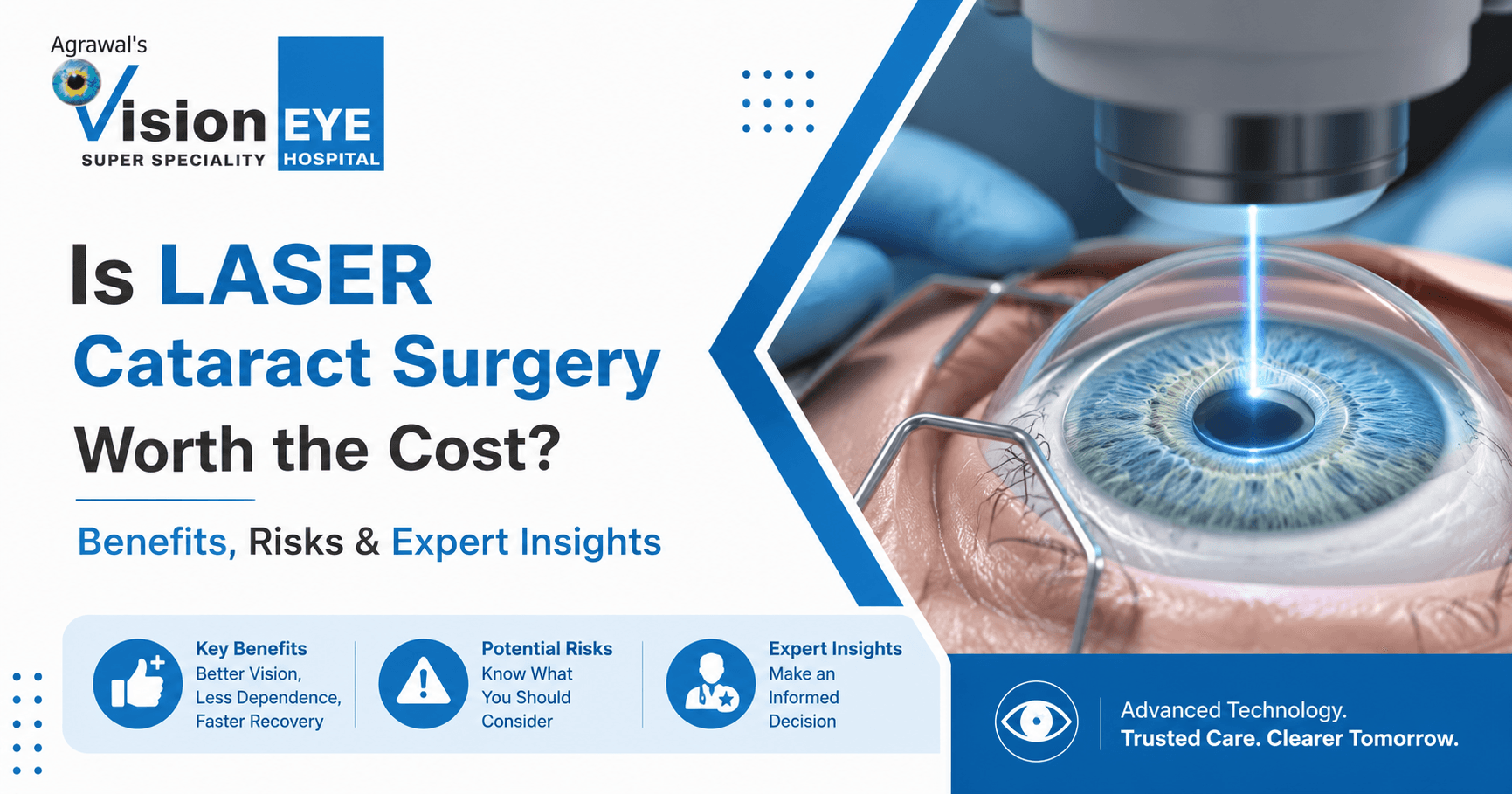
For example, the laser can create accurate corneal incisions, soften the cloudy lens before removal, and make openings in the lens capsule with remarkable consistency. This added precision can help improve surgical planning, especially in suitable candidates. However, it’s important to remember that the surgeon’s experience remains just as important as the technology being used.
Why Some Patients Choose Laser-Assisted Treatment
Every patient has different priorities. Some people simply want the latest available technology, while others are looking for greater precision during surgery. One advantage often associated with femto-laser cataract surgery is that the laser performs several key steps with exceptional accuracy before the surgeon completes the remaining procedure. This can help reduce the amount of ultrasound energy required to remove the cataract in certain cases.
Many patients also appreciate the personalised planning involved, particularly when premium intraocular lenses are being considered to reduce dependence on glasses after surgery. Of course, suitability varies from person to person, which is why a detailed eye examination always comes first.
The Benefits Go Beyond Precision
Precision is certainly one advantage, but it’s not the only reason people consider laser-assisted surgery. Many ophthalmologists appreciate the consistency that laser technology brings during selected stages of the operation. For suitable patients, this may support improved visual outcomes and highly accurate lens positioning. Another benefit is customisation.
Modern diagnostic systems allow surgeons to map the eye in great detail before treatment begins. This information helps create an individual surgical plan rather than relying on a one-size-fits-all approach. For many patients, that extra level of planning provides additional confidence before surgery.
Are There Any Risks?
Every surgical procedure carries some level of risk, regardless of the technology involved. Laser-assisted cataract surgery is no exception. Possible risks remain similar to conventional cataract surgery and may include infection, inflammation, swelling, temporary vision changes, or complications related to healing. Fortunately, serious complications remain uncommon when surgery is performed by experienced ophthalmologists using appropriate clinical protocols.
It’s also worth remembering that laser technology does not guarantee perfect vision. Factors such as overall eye health, retinal conditions, glaucoma, diabetes, or other existing problems can still influence the final outcome. That’s why realistic expectations are just as important as choosing the right treatment option.
So, Is The Extra Cost Actually Worth It?
This is probably the biggest question patients ask. And honestly, there isn’t a universal answer. For some people, the additional precision offered by a cataract laser procedure makes the extra investment worthwhile, particularly if they have astigmatism, are choosing premium intraocular lenses, or simply want access to the latest surgical technology.
For others, traditional cataract surgery may provide equally excellent vision at a lower cost. Modern conventional techniques have evolved significantly over the years and continue to produce outstanding outcomes in the hands of experienced surgeons. Rather than focusing only on the price, it’s worth asking what type of treatment best suits your eyes. The answer isn’t always the most expensive option. It’s the one that’s most appropriate for your individual condition.
Experience Matters Just As Much As Technology
It’s easy to focus on the equipment. But technology is only one part of successful cataract treatment. The surgeon’s expertise, careful planning, accurate diagnosis, and post-operative care all play an equally important role in achieving the best possible outcome.
Even the most sophisticated laser system depends on the judgement and skill of the ophthalmologist using it. That’s why choosing an experienced eye specialist is often more important than choosing the newest machine alone.
Making The Right Decision For Your Eyes
No two cataracts are exactly the same. Some patients may benefit from laser-assisted treatment, while others may achieve excellent vision through conventional surgery. Factors like age, overall eye health, existing medical conditions, lifestyle requirements, and budget should all be part of the discussion.
The best decision comes after a thorough consultation, where your ophthalmologist explains the available options, expected outcomes, and whether you’re an appropriate candidate for laser-assisted treatment. Understanding both the benefits and limitations helps patients make informed decisions rather than relying on marketing claims alone.
Final Thoughts
Choosing laser cataract surgery isn’t simply about paying for newer technology. It’s about finding the treatment approach that best matches your vision needs and long-term eye health. For many suitable patients, laser-assisted surgery offers greater precision, customised planning, and the potential for excellent visual outcomes. However, the right choice should always be based on a comprehensive eye assessment and expert medical advice.
At Vision Eye Hospital, experienced specialists, including Dr Shailesh Agrawal, carefully evaluate every patient’s condition before recommending the most appropriate treatment. Whether laser-assisted or conventional surgery is advised, the priority always remains achieving safe, effective, and personalised eye care through advanced eye surgery techniques.
FAQs
1. Is laser cataract surgery painful?
Most patients experience little to no pain during laser cataract surgery because the eye is numbed using anaesthetic drops before the procedure begins. Some people may notice mild pressure or slight discomfort, but the surgery itself is generally comfortable, and recovery usually starts within a short period.
2. How long does recovery usually take after cataract surgery?
Recovery varies from person to person, but many patients notice improved vision within a few days. Complete healing may take several weeks depending on individual eye health and the body’s natural healing process. Following your ophthalmologist’s advice is essential for achieving the best possible outcome.
3. Who is a suitable candidate for femto-laser cataract surgery?
Patients with cataracts who are suitable for laser-assisted treatment may benefit from femto laser cataract surgery, particularly when greater precision or premium intraocular lenses are being considered. A detailed eye examination helps determine whether this treatment option is appropriate for your specific condition.
4. Are the results permanent after cataract surgery?
The cloudy natural lens removed during cataract surgery does not grow back. Most patients enjoy long-lasting improvements in vision. However, some may develop a secondary lens capsule clouding later, which can usually be treated quickly using a simple outpatient laser procedure if required.
5. Is a cataract laser procedure safer than traditional surgery?
A cataract laser procedure offers greater precision during certain stages of surgery, but both laser-assisted and conventional cataract procedures are considered safe when performed by experienced ophthalmologists. The most suitable option depends on your eye condition, medical history, and your surgeon’s professional recommendation.
