

 No Comments
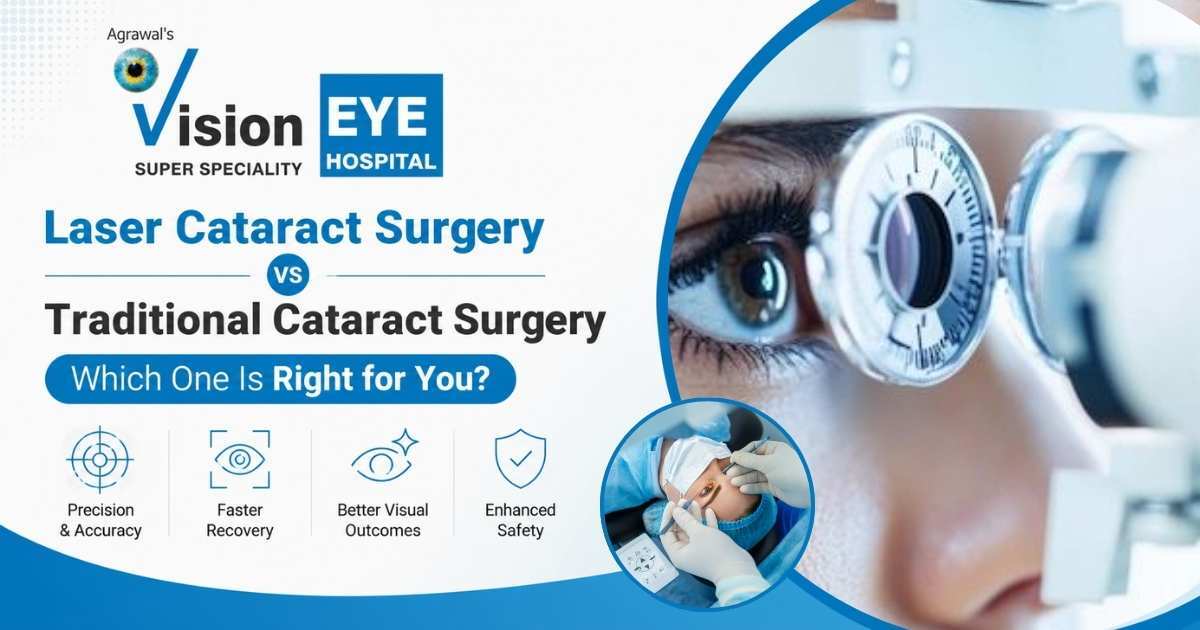
Cataracts are one of the leading causes of blurred vision, particularly as people age. Fortunately, modern cataract treatment offers highly effective surgical solutions that restore vision and improve quality of life. Patients today often compare laser cataract surgery with traditional cataract surgery to understand which approach best suits their needs.
While both procedures aim to remove the cloudy natural lens and replace it with an artificial intraocular lens (IOL), they differ in how certain surgical steps are performed. Understanding these differences can help you make an informed decision in consultation with your ophthalmologist.
Should You Choose Laser Cataract Surgery for Better Precision and Visual Outcomes?
Laser cataract surgery uses advanced femtosecond laser technology to perform selected stages of the procedure with exceptional precision, while traditional cataract surgery relies on manual surgical techniques performed by an experienced eye surgeon. The most suitable option depends on your eye health, cataract severity, lifestyle requirements and the surgeon’s clinical assessment.
Understanding Traditional Cataract Surgery
Traditional cataract surgery has been performed successfully for decades and remains one of the safest and most effective surgical procedures worldwide. During the operation, the surgeon manually creates tiny incisions, opens the front portion of the lens capsule and removes the cloudy lens using ultrasound technology before implanting a clear artificial lens.
When performed by an experienced ophthalmologist, traditional surgery delivers excellent visual outcomes with high patient satisfaction and predictable recovery.
What Makes Laser-Assisted Surgery Different?
In laser cataract surgery, a computer-guided femtosecond laser performs several key surgical steps, including creating precise corneal incisions, opening the lens capsule and softening the cataract before removal. The surgeon then completes the remaining stages of the operation.
This enhanced precision may improve consistency during surgery, particularly in selected patients requiring customised treatment planning.
Comparing Precision and Personalisation
One of the major advantages of laser-assisted surgery is its ability to create highly accurate incisions and lens capsule openings. This level of precision can support optimal positioning of premium intraocular lenses in suitable candidates.
For patients considering premium cataract treatment, this technology may offer additional benefits where surgical accuracy is particularly important for achieving specific visual goals.
Recovery and Safety
Recovery following both procedures is generally quick, with many patients noticing improved vision within days. Post-operative care, including prescribed eye drops and follow-up visits, remains essential regardless of the surgical technique.
Current clinical evidence shows both methods maintain excellent safety profiles when performed by qualified ophthalmic surgeons using appropriate patient selection and modern surgical protocols.
Is Bladeless Surgery Right for Everyone?
Many patients are attracted to the concept of bladeless cataract surgery, as laser technology reduces the need for manual blade-created incisions during specific stages of the operation. However, it is important to understand that not every patient requires laser assistance.
Your surgeon will assess factors such as corneal health, pupil size, cataract density, existing eye conditions and the type of intraocular lens planned before recommending the most appropriate procedure.
Making the Right Choice
The decision should never be based solely on technology. Instead, it should reflect your visual expectations, overall eye health, lifestyle needs and your ophthalmologist’s recommendations. Patients seeking greater spectacle independence after surgery may also discuss advanced lens options alongside the surgical technique.
It is equally important to distinguish cataract surgery from laser eye surgery, which treats refractive errors rather than removing cataracts.
Key Takeaways
Choosing between laser cataract surgery and traditional cataract surgery requires an individualised clinical assessment rather than a one-size-fits-all approach. Both procedures are safe, effective and capable of delivering excellent visual outcomes when performed by experienced specialists. Discussing your eye health, lifestyle expectations and suitable lens options with your ophthalmologist will help determine the most appropriate treatment. At Vision Eye Hospital, patients receive comprehensive cataract evaluations, personalised surgical planning and evidence-based care to achieve the best possible vision and long-term eye health.
FAQs :
1. Is laser cataract surgery safer than traditional cataract surgery?
Both procedures have excellent safety records when performed by experienced ophthalmologists. Laser cataract surgery offers greater precision during selected surgical steps, but safety ultimately depends on careful patient assessment, surgical expertise, appropriate technology and adherence to established clinical protocols throughout treatment and recovery.
2. How long does recovery take after cataract surgery?
Most patients notice clearer vision within a few days, although complete healing may take several weeks. Following prescribed eye drops, attending scheduled follow-up appointments and avoiding strenuous activities during the early recovery period help ensure the best possible visual outcome and minimise potential complications.
3. What is bladeless cataract surgery, and how does it differ?
Bladeless cataract surgery refers to laser-assisted cataract surgery, where a femtosecond laser performs certain surgical steps with exceptional precision instead of relying entirely on manual techniques. The surgeon still completes the procedure, making clinical expertise essential for achieving optimal visual outcomes and patient safety.
4. Is cataract surgery painful?
Cataract surgery is generally not painful because it is performed using local anaesthetic eye drops. Most patients experience only mild pressure or slight discomfort during the procedure. Temporary irritation, watering or light sensitivity afterwards usually settles quickly with appropriate post-operative care and medication.
5. Is premium cataract treatment suitable for every patient?
Not necessarily. Premium cataract treatment may benefit patients seeking greater visual independence through advanced intraocular lenses, but suitability depends on overall eye health, existing medical conditions, lifestyle needs and detailed ophthalmic assessment. Your surgeon will recommend the most appropriate option based on individual clinical findings.
