

 No Comments
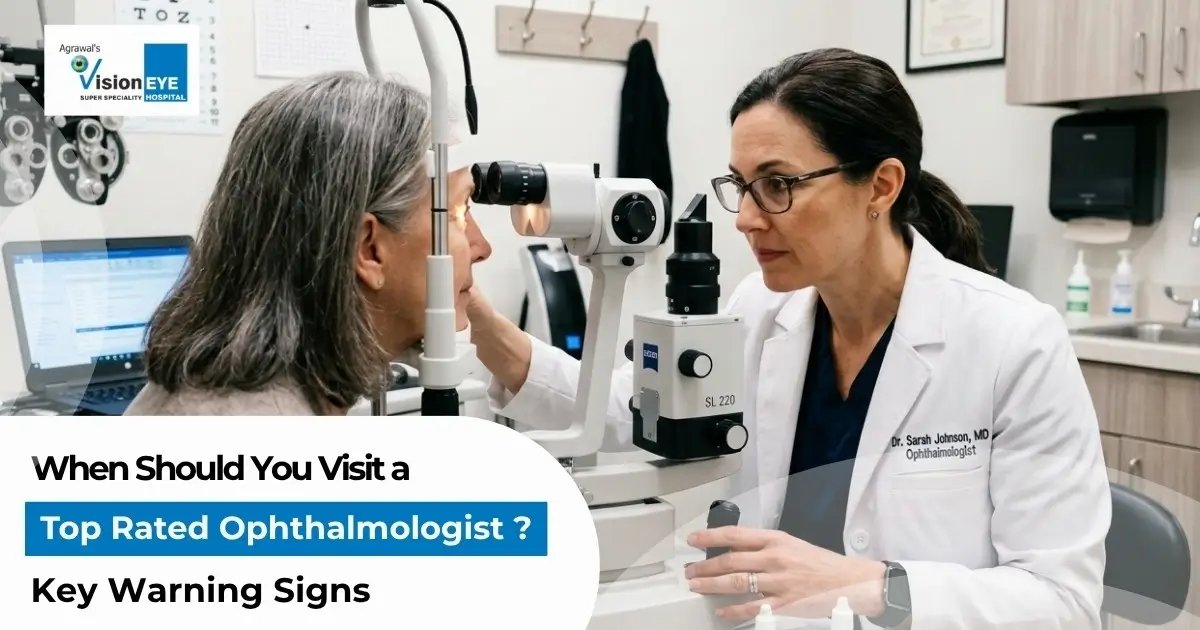
When Should You Visit a Top Rated Ophthalmologist? Key Warning Signs
Understanding the Importance of Eye Health
Your eyes are essential to your overall well-being, yet they are often neglected until problems arise. Recognizing the early warning signs of eye problems can help prevent serious complications and protect your vision. Timely attention and expert care play a crucial role in maintaining long-term eye health.
Blurred or Distorted Vision
One of the most common signs that something is wrong is blurred or distorted vision. If you notice difficulty focusing, double vision, or sudden changes in clarity, it may indicate underlying issues such as refractive errors, cataracts, or retinal problems. Seeking professional advice early is essential.
Frequent Headaches and Eye Strain
Persistent headaches, especially after screen use or reading, can signal eye strain or vision problems. Digital lifestyles have increased screen exposure, making it more important than ever to monitor how your eyes respond to prolonged usage and seek help when discomfort persists.
Redness, Irritation, or Discomfort
Occasional redness may not be serious, but constant irritation, itching, or burning sensations should not be ignored. These symptoms could be linked to infections, allergies, or dry eye syndrome. Consulting an expert can help identify the cause and provide effective treatment.
Sensitivity to Light
If you experience increased sensitivity to light or glare, it could be a sign of conditions such as corneal issues or inflammation. This symptom often affects daily activities like driving or working outdoors, making timely medical attention important.
Difficulty Seeing at Night
Struggling with night vision is another key indicator of potential eye problems. It may be associated with conditions like vitamin deficiencies, cataracts, or retinal disorders. Early diagnosis can help manage and treat these issues effectively.
When to Visit an Ophthalmologist
Understanding when to visit an ophthalmologist is crucial for maintaining healthy vision. If you experience persistent symptoms such as vision changes, discomfort, or difficulty focusing, it’s time to seek professional care. Regular eye check-ups are also recommended, even if no symptoms are present, as many eye conditions develop silently.
Finding the Right Eye Specialist
Searching for a top ophthalmologist near me can help you access timely and reliable care. Choosing an experienced specialist ensures accurate diagnosis and effective treatment. Look for qualified professionals with strong patient reviews and modern diagnostic facilities.
Preventive Care and Regular Check-Ups
Prevention is always better than cure. Routine eye examinations can detect issues early, even before symptoms appear. Maintaining a healthy lifestyle, reducing screen time, and protecting your eyes from harmful elements are essential steps for long-term eye health.
Conclusion: Don’t Ignore the Warning Signs
Your vision is invaluable, and overlooking early symptoms can lead to serious complications over time. Paying close attention to the warning signs of eye problems and seeking timely medical care can help prevent long-term damage. Regular check-ups and expert guidance play a crucial role in maintaining healthy eyesight. For accurate diagnosis and comprehensive treatment, Vision Eye Hospital provides reliable and professional services to help you preserve clear vision and overall eye health.
FAQs
1. What are the most common warning signs of eye problems?
Common signs include blurred vision, eye strain, redness, sensitivity to light, and headaches. These symptoms may indicate underlying issues that require attention. Recognizing early warning signs of eye problems helps prevent complications and ensures timely treatment for better eye health and vision care.
2. How often should I visit an ophthalmologist?
It is recommended to visit an ophthalmologist at least once a year for a routine check-up. However, if you experience discomfort, vision changes, or any unusual symptoms, you should seek medical attention immediately to avoid worsening of potential eye conditions.
3. Can eye problems occur without noticeable symptoms?
Yes, many eye conditions develop gradually without obvious symptoms in the early stages. Diseases like glaucoma or retinal disorders may not show signs initially, making regular eye examinations essential for early detection and effective treatment before significant damage occurs.
4. How do I find a reliable eye specialist near me?
Look for experienced professionals with good patient reviews, proper qualifications, and modern facilities. Searching for a top ophthalmologist near me can help you find trusted specialists who offer accurate diagnosis and effective treatment tailored to your specific eye care needs.
5. When should I seek immediate medical attention for eye issues?
You should seek immediate help if you experience sudden vision loss, severe eye pain, flashes of light, or injury. Understanding when to visit an ophthalmologist in urgent situations can prevent permanent damage and ensure quick treatment for serious eye conditions.
