

 No Comments
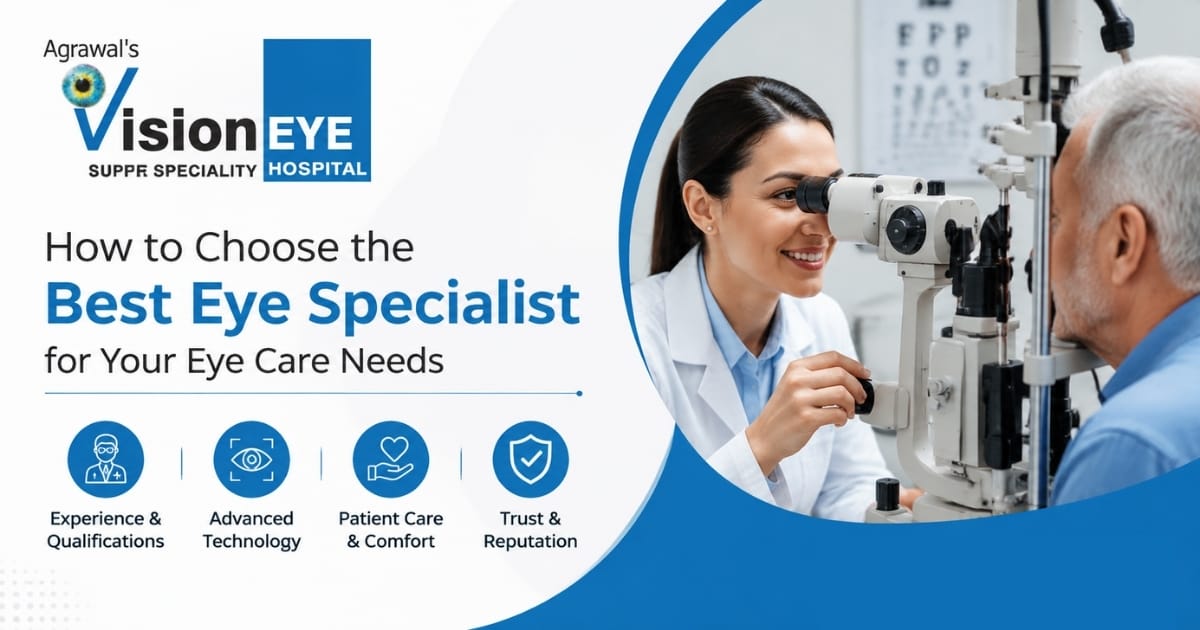
Choosing the right eye doctor is an important decision because good eye care involves much more than checking your glasses prescription. Whether you need a routine examination, cataract evaluation, glaucoma screening, retina care or vision correction, the right specialist should understand your individual needs and explain your options clearly.
If you are searching for an eye specialist in Surat, consider qualifications, experience, available diagnostic facilities, treatment expertise and follow-up care rather than relying only on online ratings or promotional claims.
How to Choose an Eye Specialist in Surat for Safe, Personalised Care
The right specialist should have appropriate ophthalmology qualifications, experience relevant to your condition and access to suitable diagnostic and treatment facilities. Look for a doctor who explains the diagnosis, discusses available options and provides appropriate follow-up care.
Check Qualifications and Clinical Experience
Start by checking the doctor’s professional qualifications and experience. An ophthalmologist is medically trained to diagnose and manage eye conditions and perform eye procedures and surgeries.
Experience becomes particularly relevant when you require specialised treatment such as cataract surgery, glaucoma management, retinal care or refractive procedures. At Vision Eye Hospital, Dr Shailesh Agrawal is listed as M.S (Ophthalmology) Gold Medalist and has expertise in phaco and refractive surgery, medical retina and oculoplasty.
Look for the Right Eye Care Specialisation
Not every eye problem requires the same expertise. A routine vision assessment, cataract consultation and retinal condition may require different clinical approaches.
When comparing the best eye specialist in Surat, check whether the practice provides the particular service you need. Vision Eye Hospital lists services including cataract care, glaucoma management, retina care, paediatric eye care and vision correction.
Consider Diagnostic Technology and Treatment Options
Accurate diagnosis is an essential part of effective eye care. Depending on your symptoms and medical history, your examination may involve specialised tests to assess different structures and functions of the eye.
For example, glaucoma evaluation may involve tests such as OCT, visual-field analysis and corneal pachymetry. Vision Eye Hospital specifically lists these diagnostic services for glaucoma assessment.
Evaluate the Quality of the Eye Examination
A good consultation should involve more than simply checking whether your eyesight has become weaker. The ophthalmologist should consider your symptoms, medical history, eye health and any risk factors before recommending treatment.
This is especially important if you have diabetes, a family history of glaucoma, previous eye surgery or persistent changes in vision. Regular examinations can help identify problems that may not produce obvious symptoms initially.
Ask About Treatment Planning and Follow-Up
Before agreeing to treatment, ask what the recommended procedure involves, why it has been suggested, what alternatives may be available and what follow-up will be required.
Clear communication is particularly valuable when considering surgery or long-term treatment. Vision Eye Hospital states that its specialists schedule follow-up appointments after treatment to monitor recovery and address concerns.
Consider Accessibility and Patient Support
Convenient access can make a difference when you need repeated consultations or follow-up appointments. Consider the clinic’s location, consultation timings, emergency arrangements and availability of support services.
Vision Eye Hospital currently lists branches at Parle Point, Parvat Patiya and Vesu in Surat, providing patients with different location options.
Choose Care Based on Your Specific Needs
There is no single definition of the best eye doctor in Surat for every patient. The right choice depends on your condition, age, treatment requirements and personal preferences.
For example, someone seeking routine preventive care may need a different specialist from a patient requiring cataract surgery, glaucoma monitoring or retinal treatment. Matching the doctor’s expertise with your particular needs is therefore more useful than choosing based solely on popularity.
Final Thoughts
Finding the right eye specialist in Surat involves looking at qualifications, relevant experience, diagnostic capabilities, treatment options, communication and follow-up support. Take time to ask questions and understand your diagnosis before making treatment decisions.
For patients seeking comprehensive ophthalmic care, Vision Eye Hospital provides specialised services across several areas of eye health, with a focus on personalised treatment and modern diagnostic and surgical technology.
FAQs :
1. How do I choose the best eye specialist in Surat?
Look for an ophthalmologist with appropriate qualifications, relevant clinical experience and expertise in your particular eye condition. Consider diagnostic facilities, treatment options, communication and follow-up care as well. The best eye specialist in Surat for you should be someone whose expertise matches your individual diagnosis and treatment requirements.
2. When should I see an eye specialist rather than an optician?
An optician primarily helps with dispensing and fitting spectacles or contact lenses, while an ophthalmologist is medically trained to diagnose and treat eye diseases and perform surgery. Persistent vision changes, eye pain, flashes, floaters or suspected eye disease warrant evaluation by a qualified ophthalmologist.
3. What services should a good eye specialist provide?
A comprehensive eye-care provider should be able to evaluate common vision problems and offer appropriate diagnosis or referral for conditions such as cataracts, glaucoma and retinal disorders. When searching for an eye specialist in Surat, check whether the clinic offers services relevant to your specific needs.
4. How often should I have an eye examination?
The appropriate frequency depends on your age, general health, vision, family history and existing eye conditions. Some people need more frequent monitoring than others. If you have diabetes, glaucoma risk or previous eye disease, your ophthalmologist can recommend an examination schedule appropriate for your circumstances.
5. What should I ask during my first eye specialist consultation?
Ask about your diagnosis, recommended tests, treatment options, expected benefits and potential risks. You can also ask about follow-up requirements and warning signs that need attention. Choosing the best eye doctor in Surat should involve understanding how clearly and comfortably the specialist addresses your concerns.
