

 No Comments
Good vision plays a vital role in everyday life – from working efficiently to driving safely and maintaining overall well-being. Yet many people delay eye examinations until discomfort becomes unavoidable. Scheduling a timely eye check-up in Surat can help detect vision problems early, prevent complications, and protect long-term eye health. Regular screening is not only for people with poor eyesight; it is essential for individuals of all age groups and lifestyles.
Why Regular Eye Exams Matter
Eye conditions often develop gradually and may not show obvious symptoms in the early stages. Problems such as refractive errors, digital eye strain, glaucoma, and retinal disorders can progress silently. Early diagnosis allows timely treatment, reducing the risk of permanent vision damage.
Understanding who needs an eye check-up in Surat helps individuals recognize that preventive care is just as important as treatment. Students, working professionals, senior citizens, and even people with seemingly perfect vision should undergo periodic examinations to maintain optimal eye health.
Common Signs You Need Immediate Attention
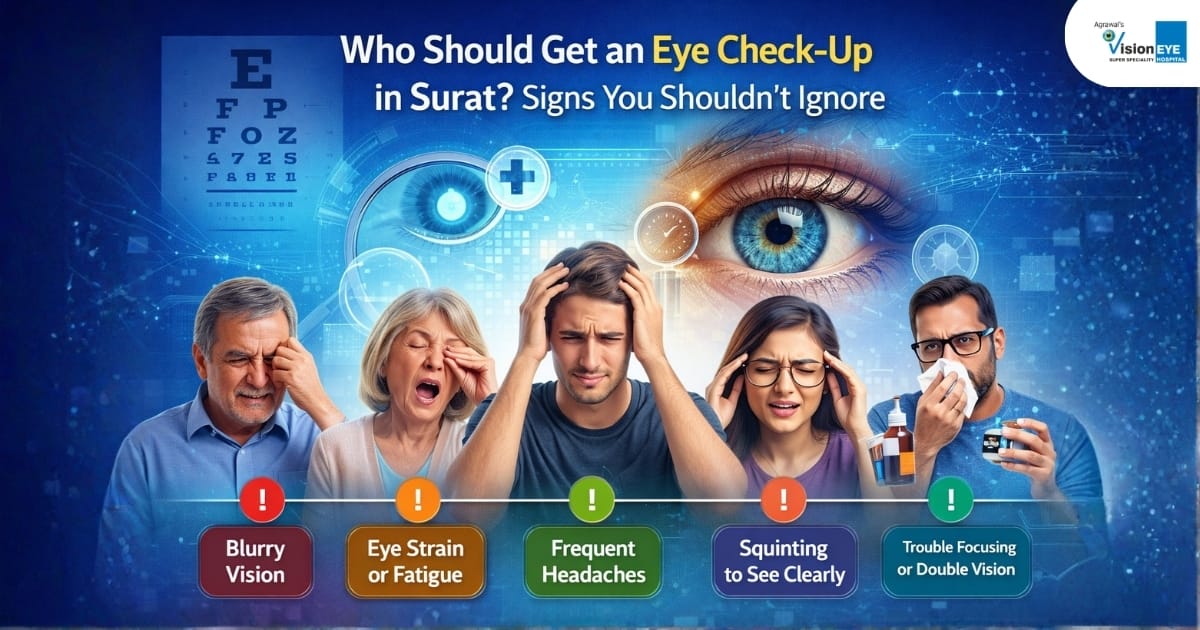
Many people ignore subtle warning signs, assuming they are temporary. However, these symptoms may indicate underlying issues. Some important signs you need an eye check-up in Surat include:
- Frequent headaches or eye strain
- Blurred or double vision
- Difficulty focusing on screens or reading text
- Sensitivity to light
- Dryness, redness, or irritation
- Trouble seeing clearly at night
Ignoring these symptoms can worsen visual problems and affect productivity and comfort in daily activities.
Eye Exams for Working Adults and Professionals
Digital lifestyles have significantly increased vision-related concerns among adults. Long hours on computers and smartphones can cause fatigue, dryness, and reduced focus. An eye exam for adults in Surat is especially important for individuals working in IT, design, finance, education, or any profession requiring prolonged screen exposure.
Routine examinations help monitor vision changes, recommend protective lenses, and identify early signs of eye strain or lifestyle-related eye disorders. Adults above 40 should also undergo screenings for age-related conditions like cataracts and glaucoma.
Importance of Eye Check-Ups for Children
Vision plays a crucial role in a child’s learning and development. Unfortunately, children often cannot recognize or communicate vision difficulties. A timely children eye check-up in Surat helps detect issues such as lazy eye, refractive errors, or coordination problems that may impact academic performance and confidence.
Parents should look for warning signs such as squinting, sitting too close to screens, frequent blinking, or complaints of headaches during study time. Early intervention significantly improves treatment outcomes and supports healthy visual development.
When Should You Schedule an Eye Examination?
Knowing when to get an eye check-up in Surat depends on age, lifestyle, and medical history. Generally:
- Children should have periodic screenings during developmental years.
- Adults should schedule exams every 1-2 years.
- Individuals with diabetes, hypertension, or family history of eye disease may require more frequent visits.
- Anyone experiencing sudden vision changes should seek immediate evaluation.
Preventive eye care ensures problems are identified before they interfere with daily life.
Protect Your Vision with Timely Care
Your eyes often signal health concerns before other symptoms appear. Regular examinations help maintain clear vision, detect hidden conditions, and support overall wellness. If you notice discomfort, visual changes, or increased screen-related strain, it is wise not to delay professional consultation.
For trusted diagnosis and comprehensive vision care, consulting specialists at Vision Eye Hospital ensure expert evaluation, modern diagnostic technology, and personalized treatment – making your next eye check-up in Surat a proactive step toward lifelong eye health.
FAQs
1. How often should I get my eyes checked even if I don’t wear glasses?
Even individuals with clear vision should undergo routine eye examinations every one to two years. Many eye diseases develop without noticeable symptoms initially. Regular testing helps detect early changes in eye pressure, focusing ability, or retinal health, allowing preventive care before problems become serious or affect daily activities.
2. What age should children start having regular eye examinations?
Children should ideally have their first professional eye screening before starting school, followed by periodic evaluations during growth years. Vision problems can impact reading, concentration, and learning ability. Early detection ensures proper correction and prevents long-term developmental issues that may otherwise go unnoticed by parents or teachers.
3. What are the most common warning signs that indicate I should visit an eye specialist?
Persistent headaches, blurry vision, eye fatigue, sensitivity to light, or difficulty focusing are common indicators that shouldn’t be ignored. These symptoms may signal refractive errors or underlying eye conditions. Recognizing early warning signs and scheduling an eye check-up in Surat can help prevent worsening discomfort and long-term visual complications.
4. Do adults who work long hours on computers need frequent eye exams?
Yes, prolonged screen exposure can cause digital eye strain, dryness, and focusing issues. Professionals should schedule regular vision assessments to monitor eye health and receive guidance on protective eyewear, screen habits, and ergonomic adjustments. An eye exam for adults in Surat helps reduce fatigue and maintain productivity while protecting long-term vision quality.
5. Can eye exams detect health problems beyond vision issues?
Absolutely. Comprehensive eye examinations can reveal signs of systemic conditions such as diabetes, high blood pressure, and neurological disorders. Eye specialists examine blood vessels and optic nerves, which often reflect overall health changes. Early detection through eye exams can encourage timely medical intervention and improved overall health outcomes.
