

 No Comments
Maintaining long-term eye health requires regular examinations, especially when vision changes begin affecting daily activities. A comprehensive eye checkup in Surat helps detect refractive errors, early-stage eye diseases, and underlying medical conditions before symptoms become severe. Modern diagnostic procedures now allow ophthalmologists to evaluate eye health with greater accuracy and improved patient comfort.
Many individuals delay eye examinations until vision problems become noticeable. However, routine testing remains important for monitoring eye pressure, retinal health, corneal condition, and visual sharpness. Early detection often improves treatment outcomes and helps preserve stable vision for longer periods.
Understanding the Purpose of a Complete Vision Test
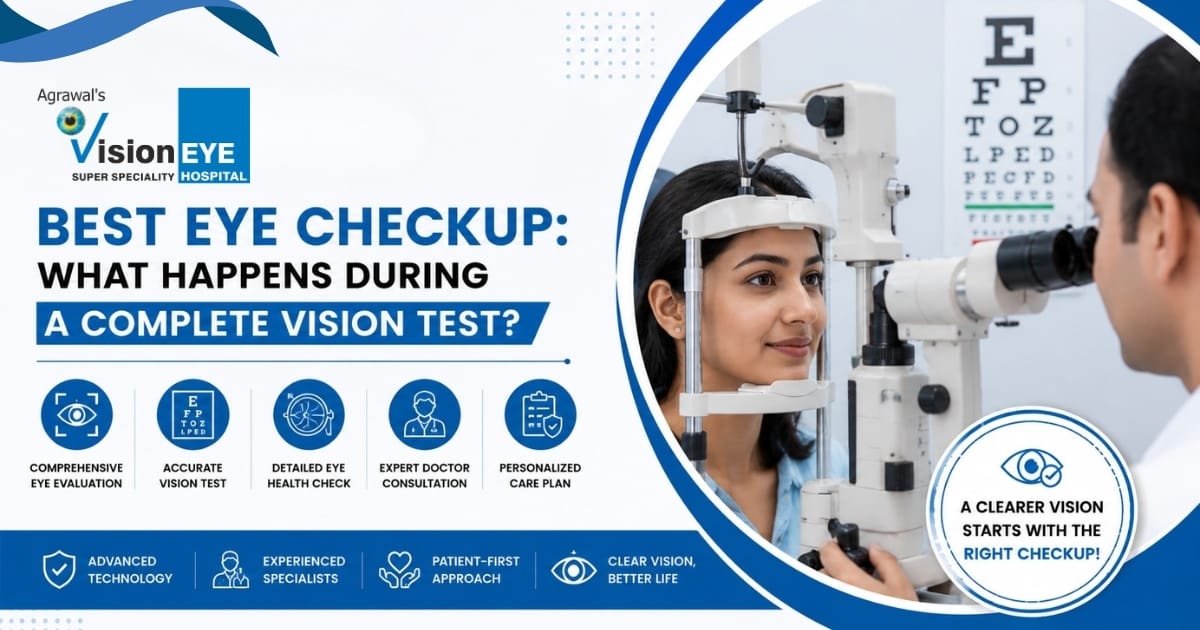
A complete vision assessment involves more than checking spectacle numbers. During a comprehensive eye checkup in Surat, specialists carefully examine both the internal and external structures of the eye to identify potential concerns affecting visual performance.
The examination usually begins with a review of symptoms, medical history, lifestyle habits, and current use of vision correction. Patients experiencing headaches, eye strain, blurred vision, or difficulty focusing may require additional diagnostic testing depending on their condition.
Initial Vision Assessment Procedures
Most examinations start with visual acuity testing to determine how clearly patients can read letters or symbols from specific distances. Specialists may also evaluate depth perception, peripheral vision, colour recognition, and eye coordination during the appointment.
Patients visiting an eye care clinic in Surat often undergo refraction testing to identify the precise lens power needed for spectacles or contact lenses. This process helps improve visual clarity while reducing discomfort caused by improper prescriptions.
In many cases, digital imaging equipment is used to create highly detailed scans of the retina and optic nerve. These images assist doctors in tracking changes in eye health over time.
Eye Pressure and Corneal Evaluation
Eye pressure testing forms an important part of routine examinations because elevated pressure can indicate glaucoma risk. The procedure is generally quick and causes minimal discomfort. Detecting abnormal pressure levels early helps reduce the possibility of long-term optic nerve damage.
During a comprehensive eye checkup in Surat, corneal thickness and curvature may also be measured. These assessments are especially important for individuals considering LASIK or other refractive procedures.
Retinal Examination and Dilated Eye Testing
Retinal assessment allows ophthalmologists to inspect blood vessels, retinal tissue, and the optic nerve in greater detail. Dilating eye drops may be used to widen the pupils temporarily for improved visibility inside the eye.
Patients consulting an eye care hospital in Surat are often advised to undergo dilated examinations when symptoms include floaters, diabetes-related vision concerns, or age-related retinal conditions. The procedure assists doctors in identifying hidden abnormalities that standard vision testing may not reveal immediately.
Retinal imaging has become increasingly valuable for monitoring progressive conditions and evaluating treatment effectiveness over time.
Importance of Experienced Ophthalmologists
The accuracy of diagnosis often depends on the expertise of the ophthalmologist conducting the examination. Specialists such as Dr Shailesh Agrawal and Dr Saurin Gandhi focuses on detailed diagnostic evaluations supported by modern ophthalmic equipment and personalised patient care approaches.
Patients selecting an eye care clinic in Surat frequently compare diagnostic technology, consultation quality, and specialist experience before scheduling evaluations. Comprehensive consultations help patients understand their eye condition clearly while receiving appropriate treatment recommendations suited to their visual needs.
Advanced facilities such as Vision Eye Hospital continue to adopt updated screening technologies to support precise diagnosis, early detection, and effective long-term vision management.
Why Routine Eye Checkups Matter
Regular eye examinations remain essential even when vision appears normal. Many serious eye conditions progress gradually without immediate symptoms, making preventive screening highly important for all age groups.
Scheduling a comprehensive eye checkup Surat helps monitor visual stability, eye muscle coordination, retinal health, and prescription changes more effectively. Routine evaluations also support early medical intervention before complications begin affecting everyday activities, professional performance, or overall quality of life.v
Final Thoughts
Protecting vision requires consistent monitoring, accurate diagnosis, and timely medical guidance. Thorough examinations help identify developing concerns early while supporting safer long-term eye health management. Vision Eye Hospital continues to focus on patient-centred ophthalmic care supported by experienced specialists, advanced diagnostics, and personalised treatment planning designed for varying visual requirements.
FAQs :
1. What does a comprehensive eye checkup in Surat usually include?
A complete eye examination generally includes visual acuity testing, refraction assessment, retinal evaluation, eye pressure testing, and corneal analysis. Doctors may also review medical history, symptoms, and lifestyle habits affecting vision. Additional diagnostic imaging helps identify glaucoma, cataracts, retinal disorders, and refractive issues before they begin significantly impacting daily visual comfort.
2. How often should adults undergo routine eye examinations?
Adults should ideally undergo routine eye examinations every one to two years, depending on age, medical history, and existing vision conditions. Individuals with diabetes, glaucoma risk, or frequent prescription changes may require more frequent monitoring. Regular assessments help identify silent eye diseases early and support better long-term visual stability and ocular health.
3. Why do patients prefer visiting an eye care hospital in Surat?
Patients often choose an eye care hospital in Surat because advanced diagnostic technology, experienced ophthalmologists, and specialised treatment facilities improve examination accuracy. Comprehensive retinal imaging, glaucoma screening, and personalised treatment planning help identify underlying conditions effectively. Detailed assessments also support safer management of refractive errors, cataracts, retinal disorders, and corneal abnormalities.
4. Are dilated eye examinations necessary during every consultation?
Dilated eye examinations are not required during every consultation, but they become important when doctors need detailed retinal visibility. Patients experiencing diabetes-related complications, flashes, floaters, glaucoma suspicion, or age-related retinal concerns may benefit significantly. Dilated assessments assist specialists in detecting internal abnormalities that standard vision tests might occasionally overlook during routine examinations.
5. What services are commonly available at an eye care clinic in Surat?
An eye care clinic in Surat typically provides routine vision testing, spectacle prescription assessment, glaucoma screening, retinal imaging, cataract evaluation, and contact lens consultations. Many clinics also offer corneal diagnostics, diabetic eye examinations, and preventive eye health monitoring. Modern facilities increasingly use advanced imaging systems for more accurate and detailed ophthalmic assessments.
