

 No Comments
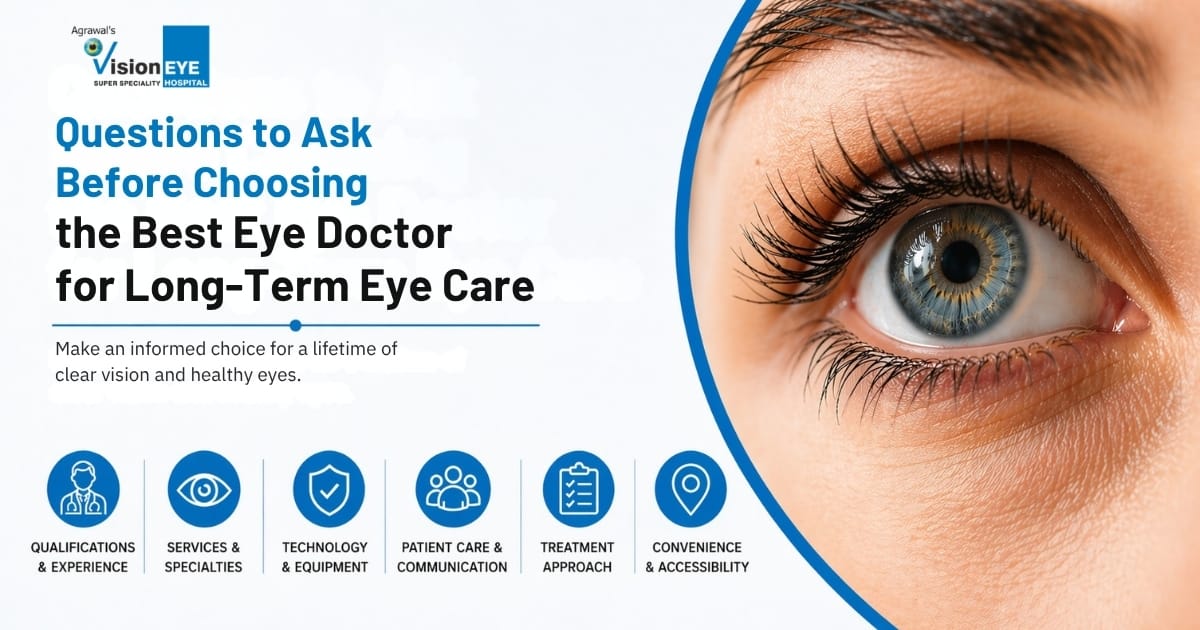
Choosing the best eye doctor in Surat is essential for long-term vision. With rising eye issues, asking the right questions ensures safe, personalised, and effective care.
Why Asking the Right Questions Matters
Eye care focuses on prevention as well as treatment. A qualified ophthalmologist provides accurate diagnosis, advanced care, and follow-up. Asking the right questions helps assess expertise, approach, and commitment to patient outcomes.
1. What Are the Doctor’s Qualifications and Experience?
One of the most important questions is about the doctor’s educational background and clinical experience. A highly qualified ophthalmologist with years of practice is more likely to provide accurate diagnoses and safe treatments.
Look for specialists who have handled a wide range of cases, including complex procedures. Experience plays a crucial role, especially in surgeries where precision is essential for long-term results.
2. What Services and Specialisations Are Offered?
Not all eye doctors provide the same services. Some specialise in cataract surgery, while others focus on retina, glaucoma, or refractive treatments. Before choosing a clinic, ensure it offers comprehensive eye care under one roof.
If you are planning an ophthalmologist consultation in Surat, ask whether the clinic provides diagnostic tests, preventive care, and advanced procedures. Access to multiple services ensures continuity of care without the need to visit different facilities.
3. Does the Clinic Use Advanced Technology?
Modern ophthalmology relies heavily on technology for accurate diagnosis and treatment. Clinics equipped with advanced diagnostic tools, laser treatments, and minimally invasive surgical options can deliver better outcomes and faster recovery.
Ask whether the clinic keeps up with the latest advancements. Technology not only improves precision but also enhances patient comfort and safety.
4. What Is the Doctor’s Approach to Patient Care?
A good eye doctor focuses on personalised care rather than a one-size-fits-all approach. During your consultation, observe how the doctor communicates, explains your condition, and discusses treatment options.
Transparent communication, ethical recommendations, and patient-centred care are key indicators of a trustworthy specialist. Clinics that prioritise patient satisfaction often deliver better long-term outcomes.
5. What Are the Options for Cataract and Vision Correction?
Cataract is one of the most common age-related eye conditions, and choosing the right surgeon is crucial. If you are considering surgery, ask about the experience of the best doctor for cataracts in Surat, the types of lenses available, and the success rates.
Understanding the procedure, recovery time, and expected results helps you make an informed decision and reduces anxiety about treatment.
6. Are Pricing and Treatment Plans Transparent?
Healthcare decisions often involve financial considerations. It is important to ask about consultation fees, treatment costs, and surgical charges in advance. Transparent pricing helps you avoid unexpected expenses and plan your treatment effectively.
Many reputed clinics focus on ethical billing practices and ensure patients are well-informed before proceeding with any procedure.
7. What Follow-Up Care Is Provided?
Long-term eye care requires regular follow-ups and monitoring. Ask whether the clinic provides post-treatment care and routine check-ups. Continuous support ensures early detection of any issues and helps maintain optimal eye health.
A reliable eye doctor will emphasise preventive care and schedule periodic evaluations to protect your vision over time.
8. What Do Patient Reviews and Testimonials Say?
Patient feedback offers valuable insights into the quality of care provided by a clinic. Look for reviews that highlight the doctor’s expertise, the staff’s behaviour, treatment outcomes, and overall patient experience.
Consistently positive reviews indicate trust, reliability, and a strong reputation in the community.
Final Thoughts
Choosing the best eye doctor in Surat requires evaluating expertise, technology, and patient care. Vision Eye Hospital offers advanced treatment, experienced specialists, and personalised care for reliable, long-term eye health outcomes.
FAQs
1. How often should I visit an eye doctor for routine check-ups?
It is recommended to visit an eye doctor at least once a year for routine check-ups, even if you have no symptoms. Regular examinations help detect early signs of eye conditions such as glaucoma or refractive errors, ensuring timely treatment and long-term vision protection.
2. What should I expect during an ophthalmologist consultation in Surat?
During an ophthalmologist consultation in Surat, you can expect a comprehensive eye examination, including vision tests, eye pressure measurement, and evaluation of eye health. The doctor will review your medical history, discuss symptoms, and recommend suitable treatments or preventive care based on your condition.
3. How do I know if I need cataract surgery?
Cataract surgery is recommended when vision becomes blurry and interferes with daily activities such as reading or driving. An ophthalmologist will assess the severity and recommend treatment accordingly. Early diagnosis and timely intervention help restore clear vision and prevent further complications.
4. What factors should I consider when choosing the best eye doctor in Surat?
When selecting the best eye doctor in Surat, consider qualifications, experience, technology, patient reviews, and treatment options. A doctor who offers personalised care and transparent communication ensures better outcomes and a comfortable treatment experience for long-term eye health management.
5. Are advanced eye treatments safe and effective?
Yes, modern eye treatments are safe and effective when performed by experienced specialists using advanced technology. Procedures such as LASIK and cataract surgery have high success rates, minimal downtime, and improved precision, making them reliable options for correcting vision and treating eye conditions.
